
Established 2019
After a storm, what matters is what is hanging and what it is hanging over. This is the one situation where we would rather come out sooner than later.
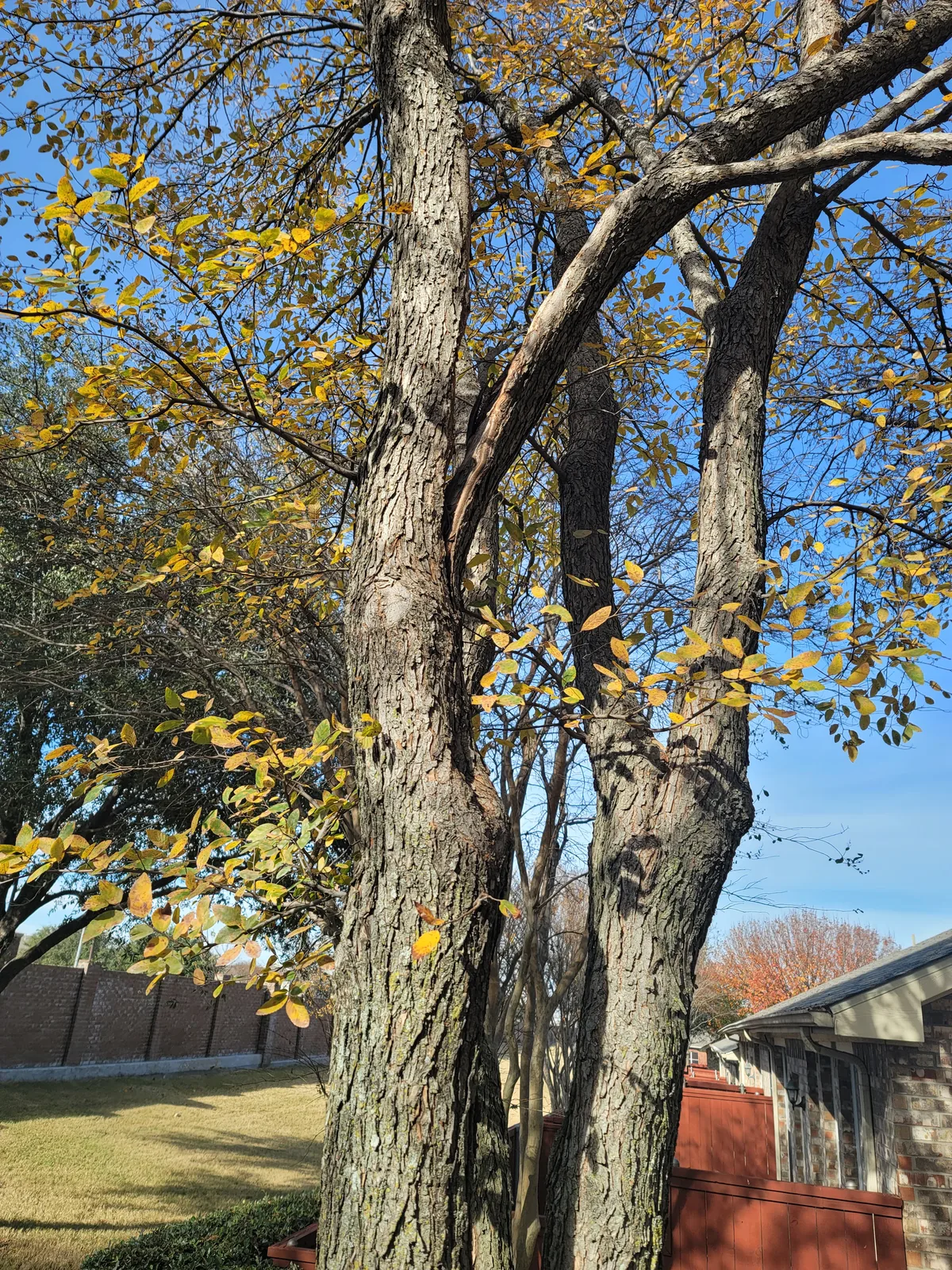
A limb that has broken but stayed caught up in the tree is either barely hanging on, or has come off completely and is being held up by whatever caught it. Either way it will usually come down on its own schedule, and that can just as easily be a still day as a windy one.
The heavy lines running pole to pole along the street are the utility's. Regulations keep any crew that is not line clearance certified ten feet off them, and that includes us. Report anything caught in those lines to your electric provider, and stay away from it. We handle the rest of the property either side of that.
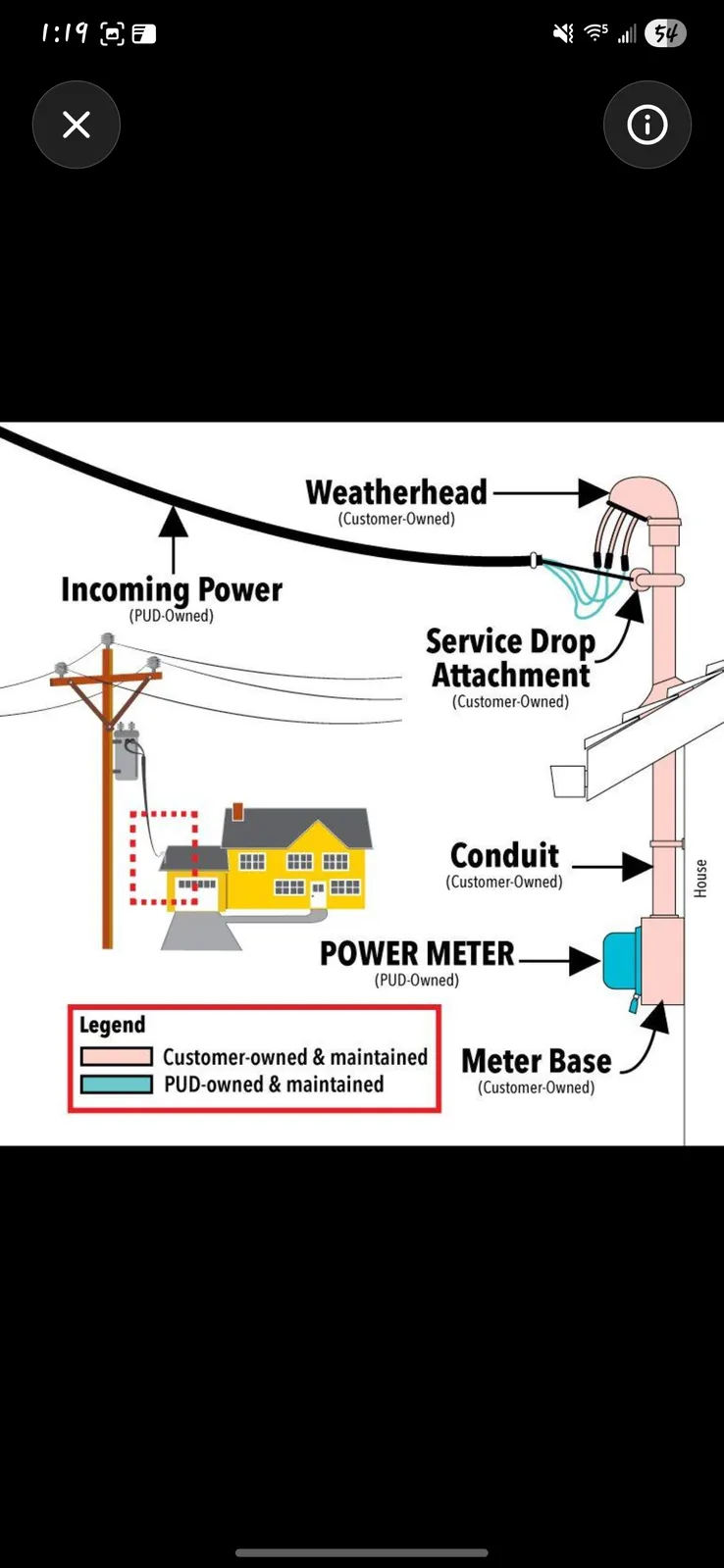
The single line running from a pole to your house is the service drop, and working around it is an everyday part of this job. If it is in the way, the utility will usually come out and drop the line so we can work, then put it back afterward. We coordinate that part. You don't need to chase anybody.
We would work out what is hanging and what it is over, and deal with that before anything else. Then we look at whether the tree itself is worth keeping.
A lot of storm-damaged trees can be saved with the right cuts. Some can't. We do our very best to answer our own phone, and storm damage is worth a call rather than a form.

After a storm, the damage that worries us most is usually not the limb already on the ground. It is the union that started to open and stayed up in the tree. Whether a tree like that can be supported or needs to come out takes eyes on it, and that judgment is a good bit of what you are hiring, 20+ years navigating tricky tree situations. More on how that works on our cabling and bracing page.
Arborwise Tree Check walks you through what you can actually see and helps narrow down what deserves attention. Estimates are free and we love talking trees.
 Oncor's safety page for downed or tree-tangled lines
 Texas A&M Forest Service on tree care after storm damage