Locally Owned Since 2019. Free Estimates. Collin, Grayson, Fannin & Hunt Counties.

Root Flare Problems

If the trunk goes straight into the ground like a telephone pole, the part of the tree we need to see may be buried.

Start At The Base

What A Root Flare Is

The root flare is where the trunk widens into the tree's main structural roots. On a properly planted tree, you should be able to see that widening at or very near ground level.

If the trunk stays the same width all the way into the soil, stop and look closer. The flare may be buried by deep planting, added soil, landscape beds, or years of mulch piled against the trunk.

Why It Matters

Deep Planting Can Become A Slow-Moving But Catastrophic Problem For The Tree

A tree can look fine for years while trouble develops below grade. When the flare stays buried, roots can circle the trunk, bark can stay buried where it should be exposed, and the tree can slowly lose its ability to move water and nutrients the way it should.
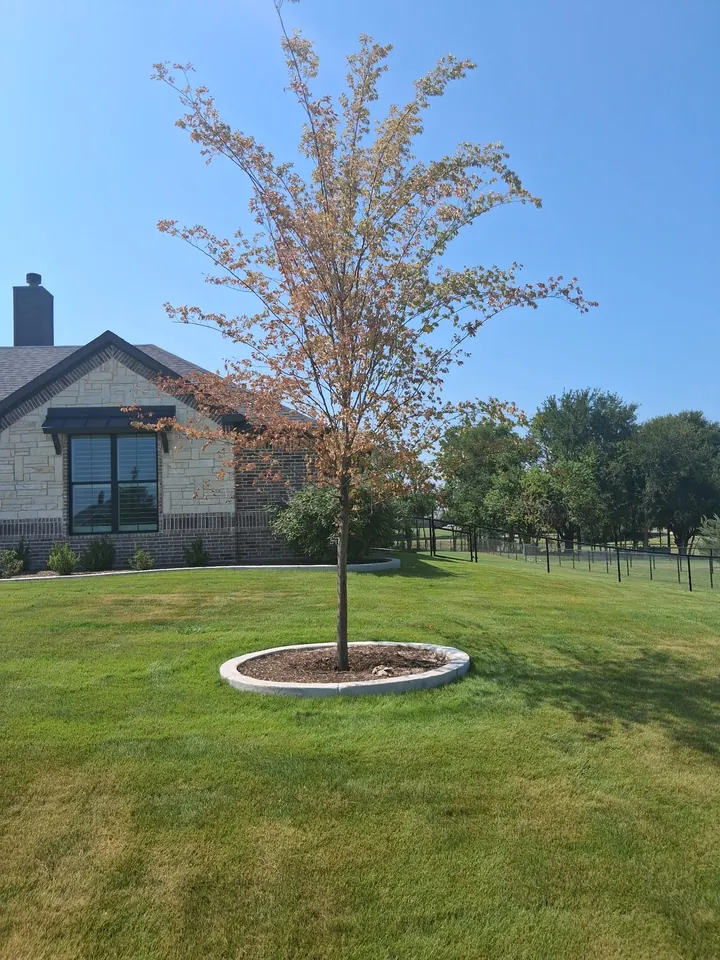
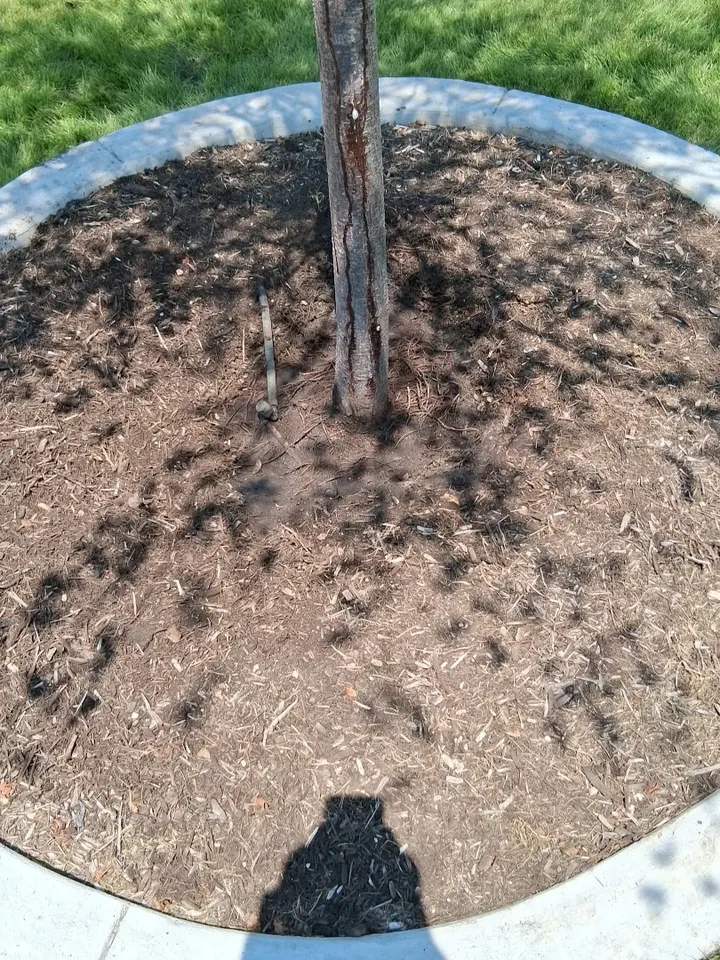
Young tree with a straight trunk disappearing into a deep raised mulch mound
Real Arborwise example. This is the whole-tree view. The trunk disappears straight into a raised mound with no visible root flare.
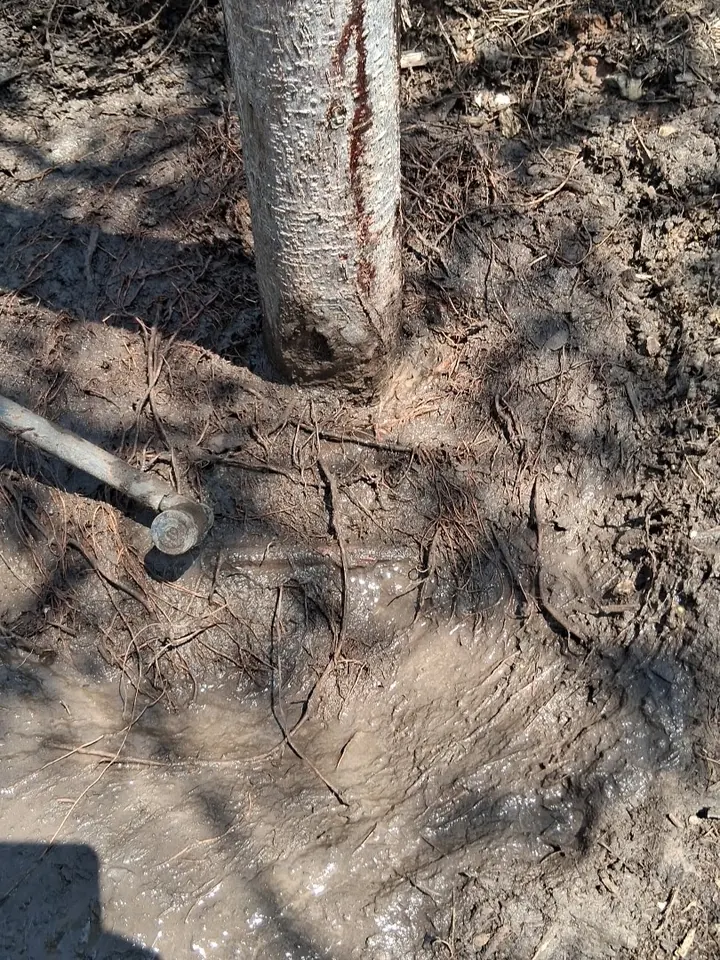
Close view of a tree trunk base, soil and exposed surface roots
Closer look at the base. This is where we start asking what is buried, where the actual flare is, and what the roots are doing below grade. We do not call roots girdling until we can actually see them.
Texas A&M Forest Service
“Three of the most common causes of poor tree establishment or death are planting too deep, improper watering, and girdling roots.”
Texas A&M Forest Service, Tree Planting guidance
What You Can Check

Look Before You Dig

  1. Look at the shape. A healthy base should widen before it meets the soil.
  2. Pull loose mulch back from the bark. Do not leave a mulch volcano against the trunk.
  3. Stop if you hit compacted soil or large roots. Do not start cutting roots or digging aggressively around a mature tree just to find the flare.
What Arborwise Checks

We Start At The Base For A Reason

When a tree is thinning or declining and the canopy does not explain it, the root flare is one of the first places we look.

Sometimes the fix is simple. Sometimes uncovering the base reveals a bigger problem. We want to know which one it is before anybody starts cutting roots or moving soil.

Annie, the Arborwise owl mascot
“Not sure this matches your tree? Send us one photo of the whole tree and one right where the trunk meets the ground, or run it through Tree Check.”Annie, the Arborwise™ owl
Try The Checker

Not Sure This Matches Your Tree?

Arborwise Tree Check walks you through what you can actually see and helps narrow down what deserves attention.